GPT Image 2 vs Nano Banana Pro
The internet says Nano Banana Pro wins on photorealism and composition. We ran both models through identical prompts across four real use cases — text rendering, text-to-image accuracy, photorealism, and background removal — to see if the consensus holds up.
GPT Image 2 vs Nano Banana Pro — which model actually wins?
GPT Image 2 vs Nano Banana Pro is one of the most searched AI image model comparisons of 2026, and for good reason — both are flagship releases from OpenAI and Google, and the gap between them isn't obvious from marketing alone. Most articles repeat the same consensus: Nano Banana Pro for photorealism and composition, GPT Image 2 for text and layout precision. We wanted to know if that consensus actually holds, so we ran GPT Image 2 vs Nano Banana Pro through four identical, controlled tests — the same prompts our team already uses in our best AI models for text rendering and best AI models for photorealistic image benchmarks — and scored every output by hand.
The result surprised us. In our GPT Image 2 vs Nano Banana Pro testing, GPT Image 2 came out ahead in three of the four categories, including photorealism — the one area Nano Banana Pro is widely assumed to dominate. The only category Nano Banana Pro actually won was background removal, and only by a single point. Below, you'll find the exact prompts, scores, and real output images for each use case, along with a full text-to-image prompt accuracy breakdown and our background removal benchmark for further reading.
GPT Image 2 wins on accuracy. Nano Banana Pro barely holds background removal.
Across text rendering, text-to-image accuracy, and photorealism, GPT Image 2 scored higher every time — including photorealism, where popular consensus favors Nano Banana Pro. The only category Nano Banana Pro takes is background removal, and only by a single point (73 vs 72).
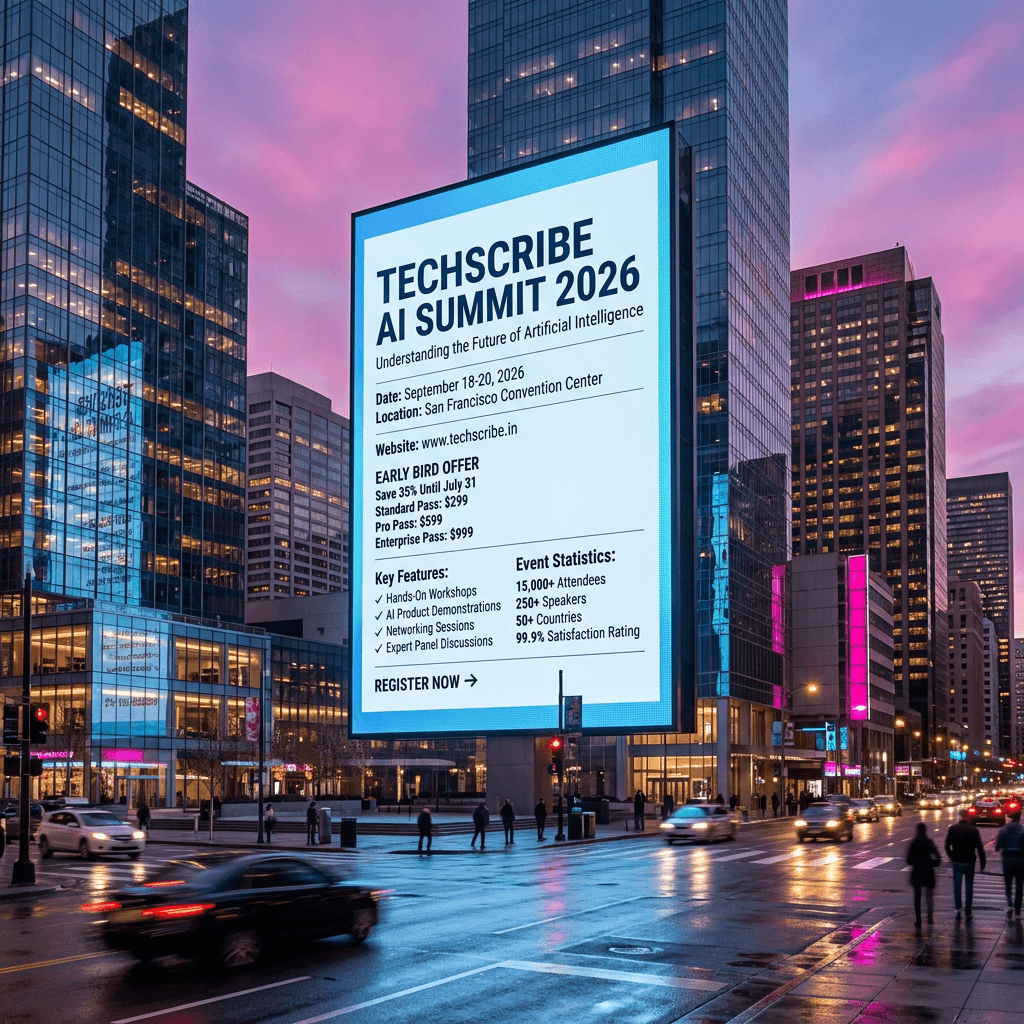
Same billboard prompt. Every price, symbol, and checkmark checked.
Both models generated the identical SaaS conference billboard — 20+ text fields including pricing tiers, dates, checkmarks, and arrows — scored for exact character accuracy. Text rendering remains one of the hardest problems in image generation models, since most architectures treat letters as visual texture rather than symbolic language.

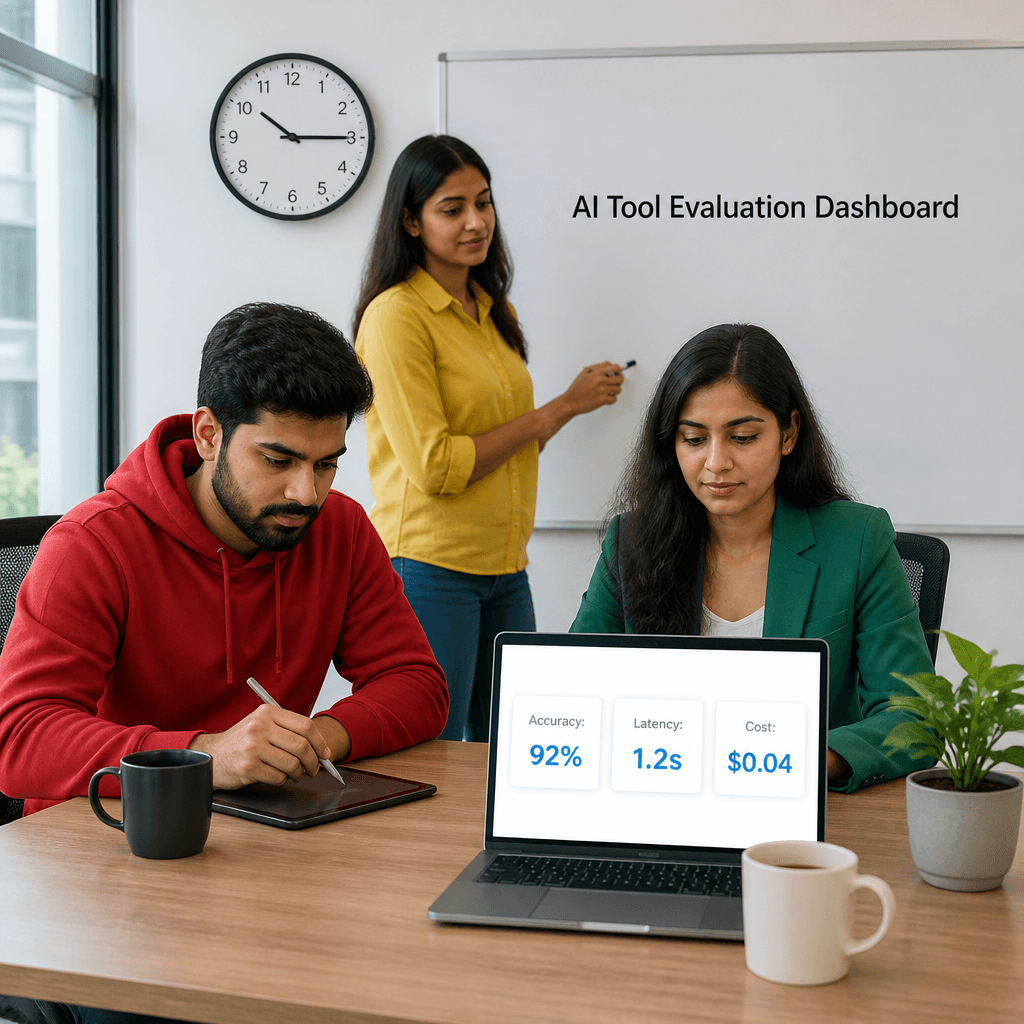
Prompt-following accuracy under controlled conditions.
Tested across five dimensions of instruction compliance in our 14-model accuracy benchmark.
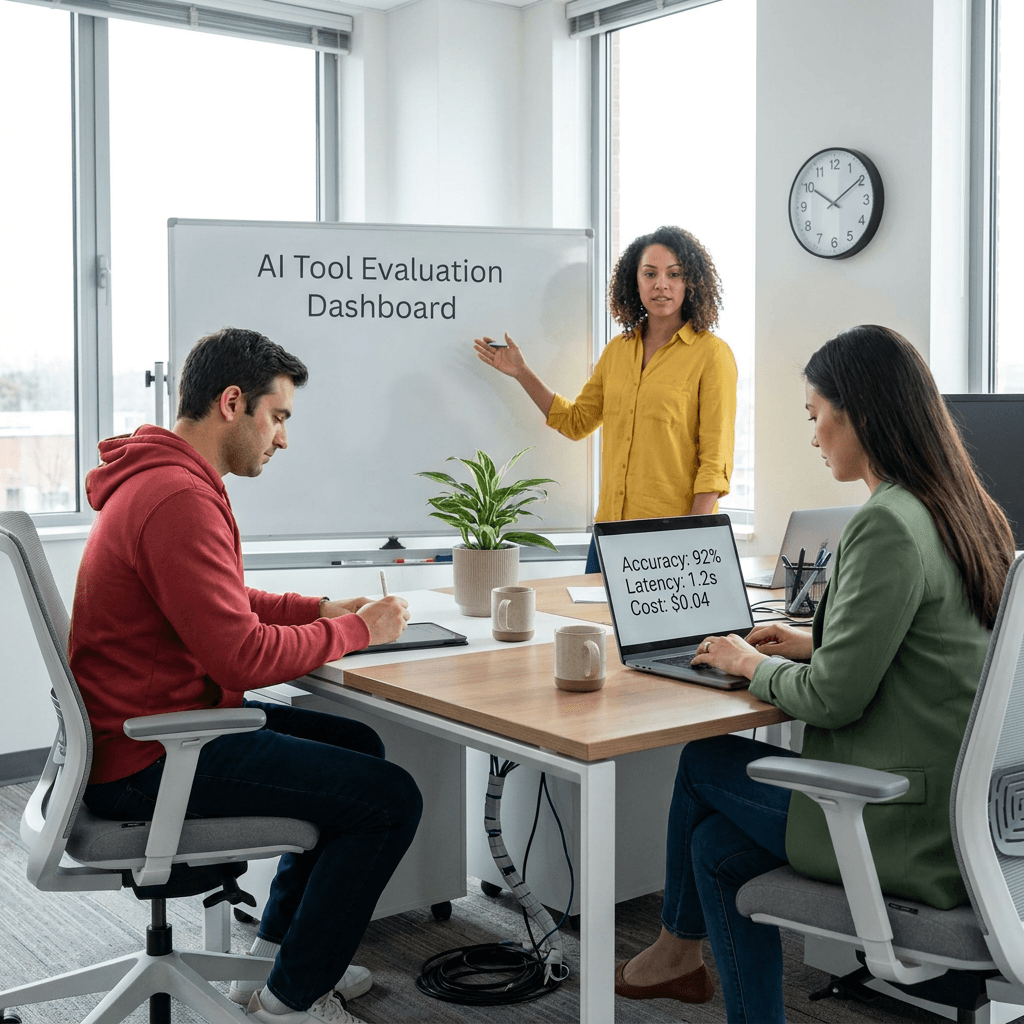
The category Nano Banana Pro is "supposed" to win.
Google markets Nano Banana Pro (built on Gemini 3 Pro Image) heavily on photorealism, native 4K output, and lighting accuracy. So this category is the real test of whether the GPT Image 2 vs Nano Banana Pro consensus holds up under controlled conditions.


Neither model is built for this — but one held up better.
Background removal is a prompted task here, not a native function — useful to know how each model handles it when asked, even though dedicated tools like Photoshop or Remove.bg outperform both.
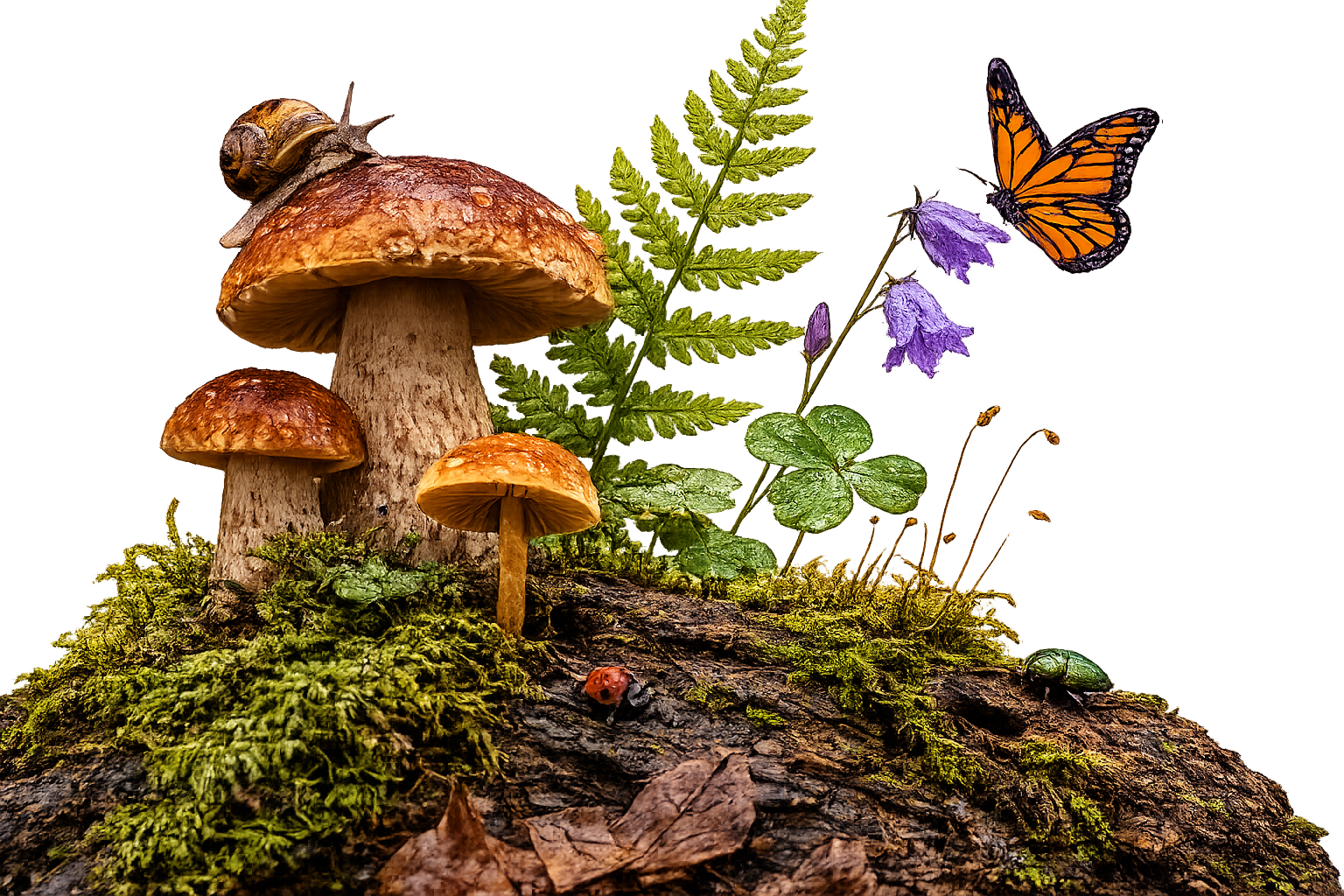
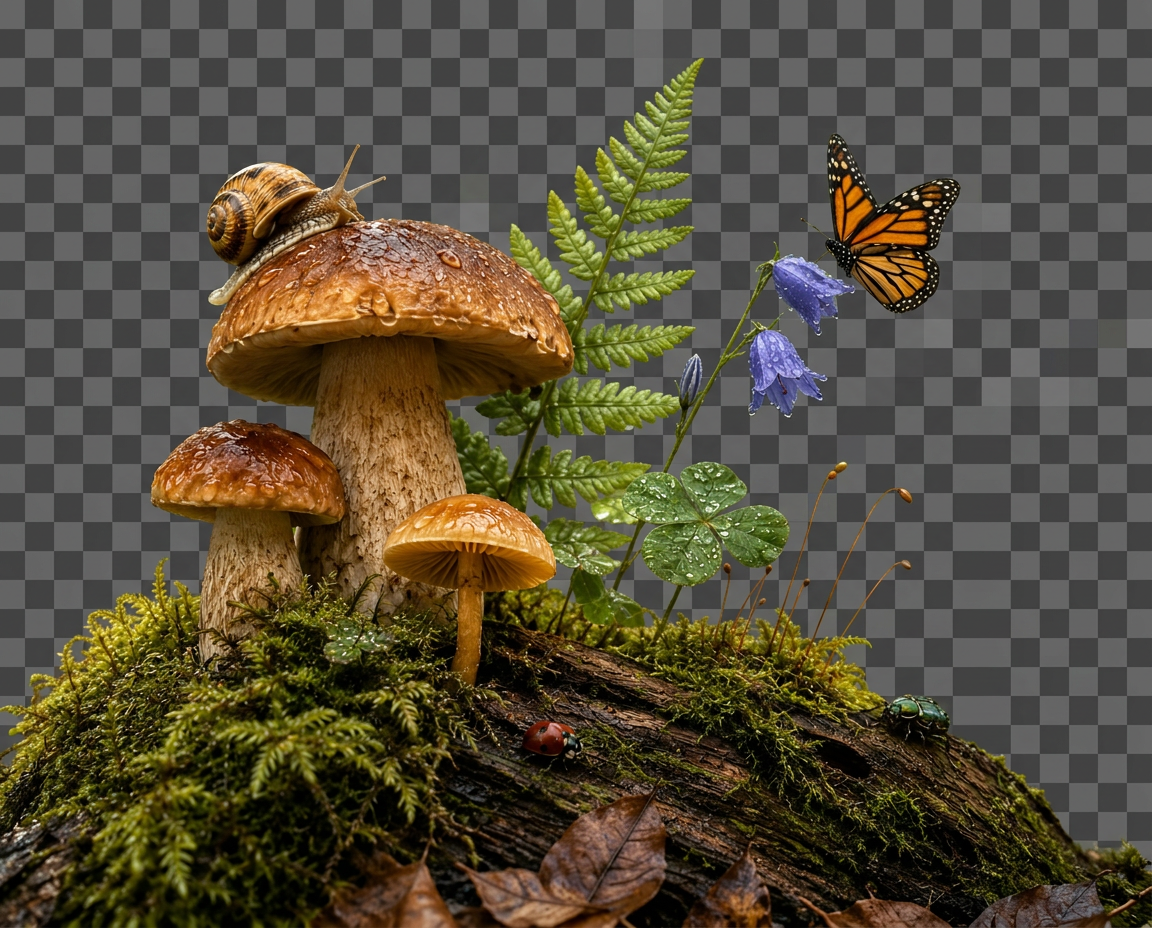
Four categories. One clear pattern.
| Use Case | GPT Image 2 | Nano Banana Pro | Winner |
|---|---|---|---|
| Text Rendering | 82 | 73 | GPT Image 2 🏆 |
| Text-to-Image Accuracy | 82 | 70 | GPT Image 2 🏆 |
| Photorealism | 90 | 86 | GPT Image 2 🏆 |
| Background Removal | 72 | 73 | Nano Banana Pro 🏆 |
So, GPT Image 2 vs Nano Banana Pro — what should you actually use?
If your work depends on exact text — pricing, labels, UI mockups, ad copy — GPT Image 2 is the safer choice based on this testing. It led every text-related category and only narrowly lost background removal. If your priority is fast iteration on product or lifestyle photography with strong reference-image consistency, Nano Banana Pro remains a capable option, even if our numbers put it slightly behind on raw photorealism scoring.
Neither model is purpose-built for background removal — for that specific task, a dedicated tool will still outperform both, as shown in our full background removal comparison. For teams choosing between the two as a general-purpose generator, this GPT Image 2 vs Nano Banana Pro benchmark suggests GPT Image 2 is the more consistent all-rounder as of mid-2026. You can read more about how each model approaches instruction-following in our text-to-image prompt accuracy study, or see how the OpenAI model compares against a wider field in our 12-model text rendering benchmark.
🏆 OVERALL WINNER
GPT Image 2
Won 3 of 4 categories outright. The one loss came by a single point.
Try GPT Image 2 on OpenART AI →